Blackbox Bio

Publications

Peer-reviewed research powered by Blackbox.

Explore all publications

Browse peer-reviewed publications demonstrating the application of Blackbox Bio technology across multiple research areas, including neuroscience, pain research, regenerative medicine, and others.

  • Behavioral Phenotyping
  • Gait Analysis
  • Injury & Recovery
  • +2

Cross-platform validation of treadmill-based and free-movement gait analysis following murine Achilles tendon hemi-transection

University of California, Los Angeles (UCLA)

Muscles, Ligaments and Tendons Journal •

This study compares treadmill-based DigiGait with free-movement BlackBox gait analysis following Achilles tendon injury in mice. Using velocity-matched comparisons, BlackBox demonstrated greater sensitivity to early functional changes, detecting alterations in stance and swing duration through postoperative day 14.

View publication : Cross-platform validation of treadmill-based and free-movement gait analysis following murine Achilles tendon hemi-transection
  • Behavior Analysis
  • Chemotherapy-Induced Peripheral Neuropathy (CIPN)
  • Drug Discovery
  • +3

Effects of Gabapentin on Ongoing Behaviors Displayed by Mice with Chemotherapy Neuropathy

Medical College of Wisconsin Department of Cell Biology, Neurobiology & Anatomy

bioRxiv •

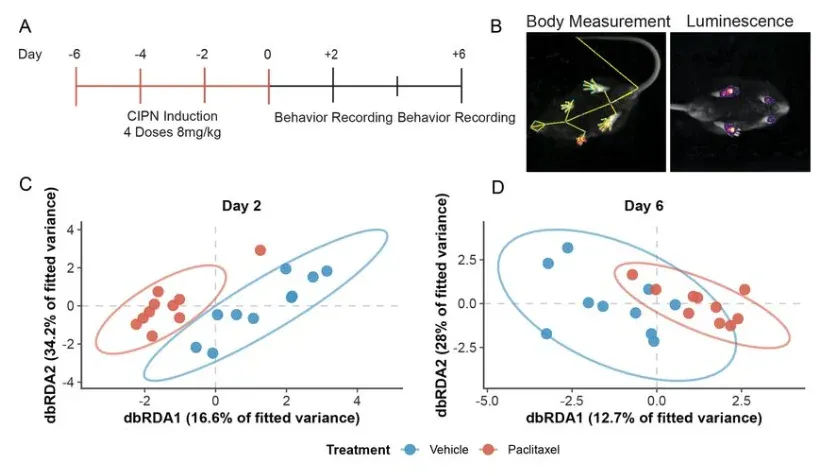
This study evaluated whether gabapentin alters spontaneous behaviors associated with chemotherapy-induced peripheral neuropathy (CIPN) in mice using the BlackBox automated behavioral analysis system. While paclitaxel treatment produced a reproducible behavioral phenotype, gabapentin affected several behaviors in both treated and control animals, suggesting these measures may not specifically reflect ongoing pain.

View publication : Effects of Gabapentin on Ongoing Behaviors Displayed by Mice with Chemotherapy Neuropathy
  • Behavior Analysis
  • Neuroscience
  • Pain Research
  • +3

Intranasal Oxytocin mRNA-LNP Can Promote Social Behavior and Reduce Pain

The University of Sydney

bioRxiv •

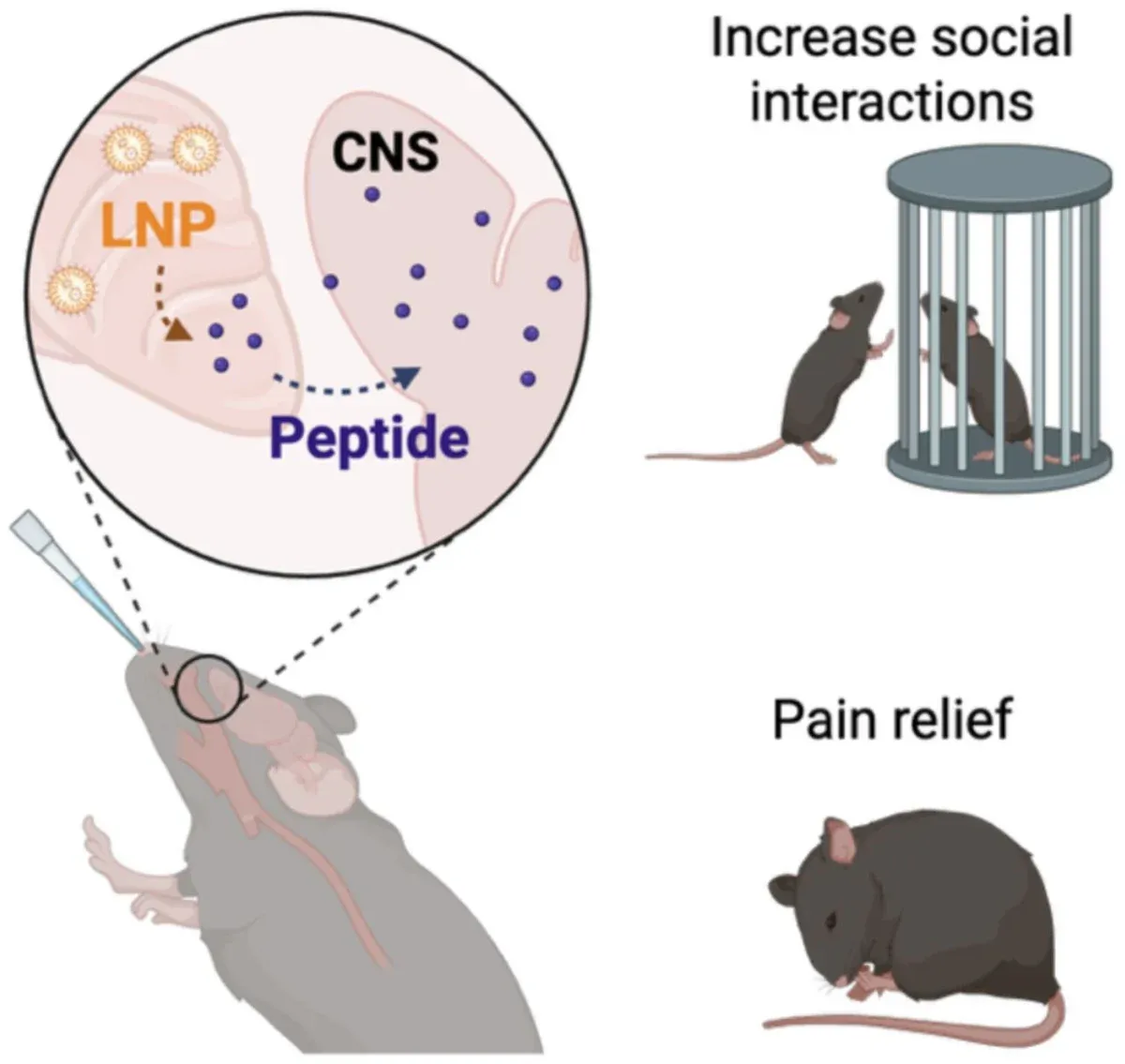
This study demonstrates that intranasal delivery of oxytocin mRNA encapsulated in lipid nanoparticles (mRNA-LNPs) enhances social behavior while reducing pain-related responses in preclinical models. The findings highlight a promising non-invasive therapeutic strategy and demonstrate the importance of objective behavioral phenotyping for evaluating treatment efficacy.

View publication : Intranasal Oxytocin mRNA-LNP Can Promote Social Behavior and Reduce Pain
  • Behavior Analysis
  • Functional Recovery
  • Muscle Regeneration
  • +3

Blood Flow Restriction Therapy Stimulates Intercellular Mitochondria Transfer and Improves Muscle Regeneration and Shoulder Function in a Murine Rotator Cuff Injury Model

San Francisco Veterans Affairs Health Care System, University of California, San Francisco (UCSF), and collaborating institutions

The American Journal of Sports Medicine •

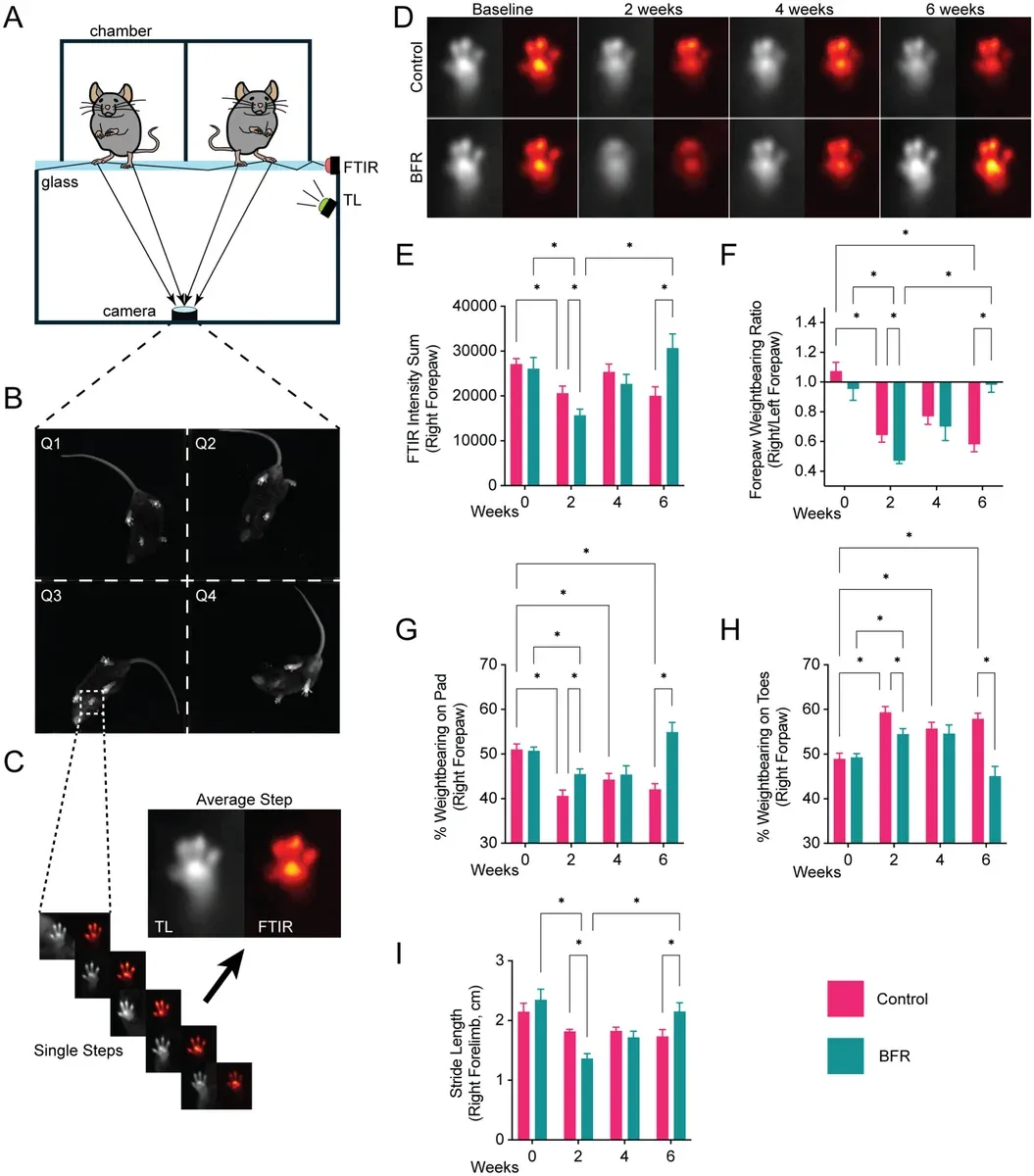
This study demonstrates that blood flow restriction (BFR) therapy improves muscle regeneration and shoulder function following rotator cuff injury in mice. Using the BlackBox behavioral analysis system, researchers objectively measured improvements in gait and weight-bearing, highlighting the value of automated behavioral phenotyping for evaluating rehabilitation strategies.

View publication : Blood Flow Restriction Therapy Stimulates Intercellular Mitochondria Transfer and Improves Muscle Regeneration and Shoulder Function in a Murine Rotator Cuff Injury Model
  • Behavior Analysis
  • Molecular Biology
  • Neuron Regeneration
  • +2

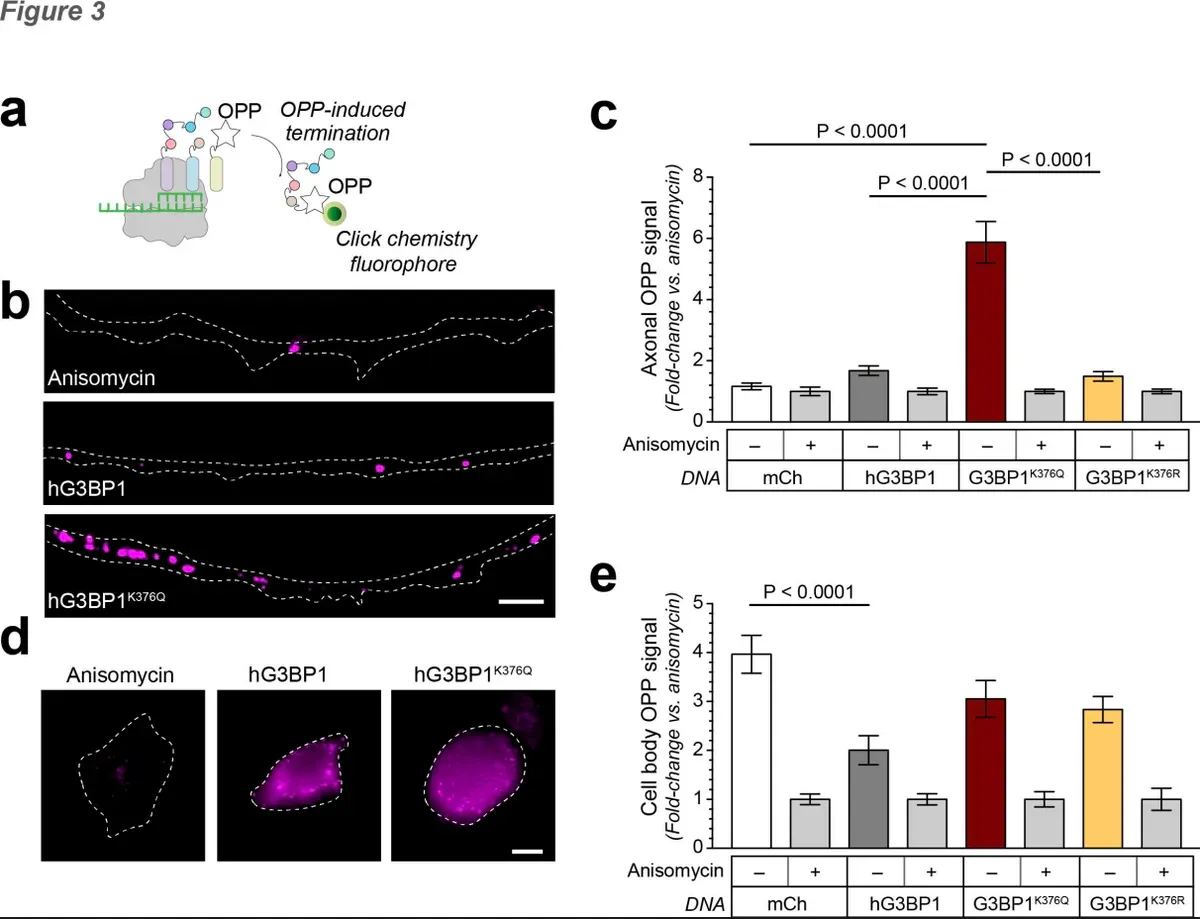
Acetylation of Axonal G3BP1 through ELP3 Accelerates Axon Regeneration

Boston Children's Hospital & Harvard Medical School

bioRxiv •

This study identifies acetylation of the axonal protein G3BP1 by the acetyltransferase ELP3 as a key mechanism that enhances axon regeneration following injury. The findings reveal a promising molecular target for promoting nerve repair and demonstrate the value of objective behavioral assessment for evaluating regenerative therapies.

View publication : Acetylation of Axonal G3BP1 through ELP3 Accelerates Axon Regeneration
  • Behavior Analysis
  • Chronic Pain
  • Neural Circuits
  • +2

Neuropathic Pain Drives Time-Dependent Reorganization of Corticostriatal Circuits

Rutgers, The State University of New Jersey

bioRxiv •

This study investigates how neuropathic pain reshapes communication between the cortex and striatum over time. By combining advanced neuroscience techniques with objective behavioral analysis, the researchers demonstrate that chronic pain produces dynamic changes in neural circuitry that contribute to altered movement and behavior.

View publication : Neuropathic Pain Drives Time-Dependent Reorganization of Corticostriatal Circuits
  • Behavior Analysis
  • Machine Learning
  • Motor Function
  • +3

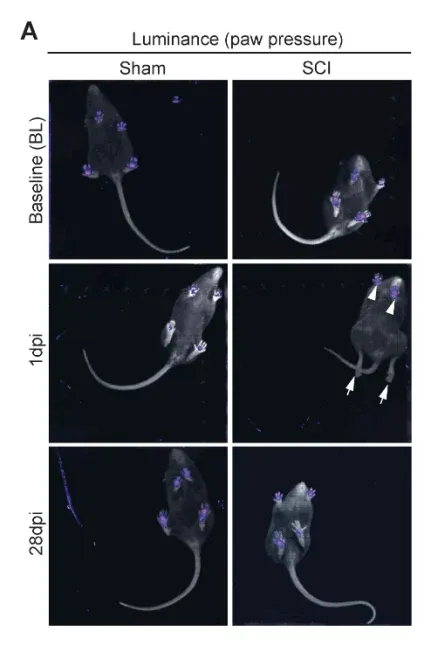
Unbiased Quantification of Persistent Postural and Motor Deficits Following Spinal Cord Injury in Mice

University of Texas Southwestern Medical Center (Department of Neuroscience and collaborating laboratories)

bioRxiv / PLOS ONE •

This study demonstrates how the BlackBox system objectively quantifies persistent postural and motor impairments following spinal cord injury in mice. By combining machine learning–based pose estimation with automated weight-bearing analysis, researchers identified long-term behavioral deficits that traditional scoring methods failed to detect.

View publication : Unbiased Quantification of Persistent Postural and Motor Deficits Following Spinal Cord Injury in Mice
  • Behavior Analysis
  • Bone Fracture
  • Drug Discovery
  • +3

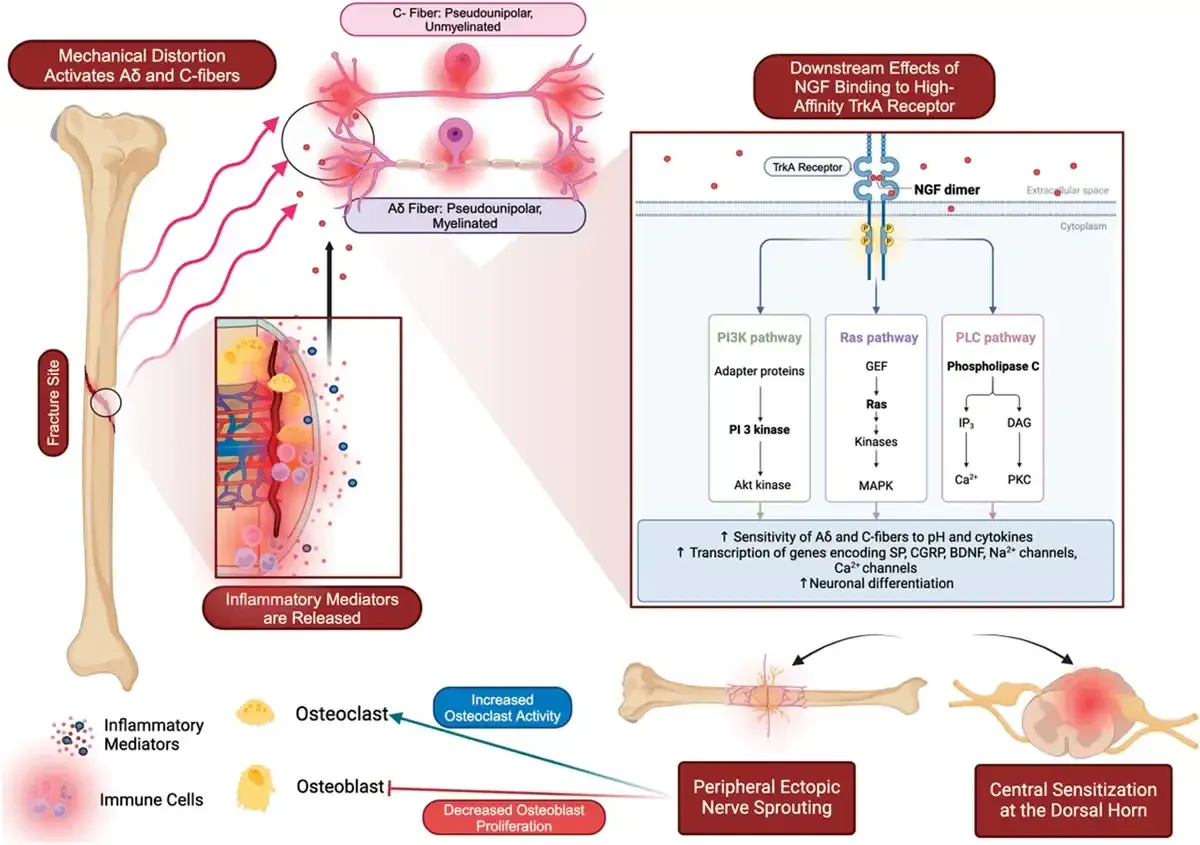
A Bad Break: Mechanisms and Assessment of Acute and Chronic Pain After Bone Fracture

Steadman Philippon Research Institute In collaboration with the University of California, San Francisco (UCSF) and international research partners.

PAIN (International Association for the Study of Pain) •

This comprehensive review examines the biological mechanisms underlying acute and chronic pain following bone fracture while evaluating current methods used to measure fracture pain in both clinical and preclinical research. The authors highlight opportunities for more objective, quantitative behavioral assessment to improve the development of future pain therapies.

View publication : A Bad Break: Mechanisms and Assessment of Acute and Chronic Pain After Bone Fracture
  • Behavior Analysis
  • Functional Recovery
  • Machine Learning
  • +3

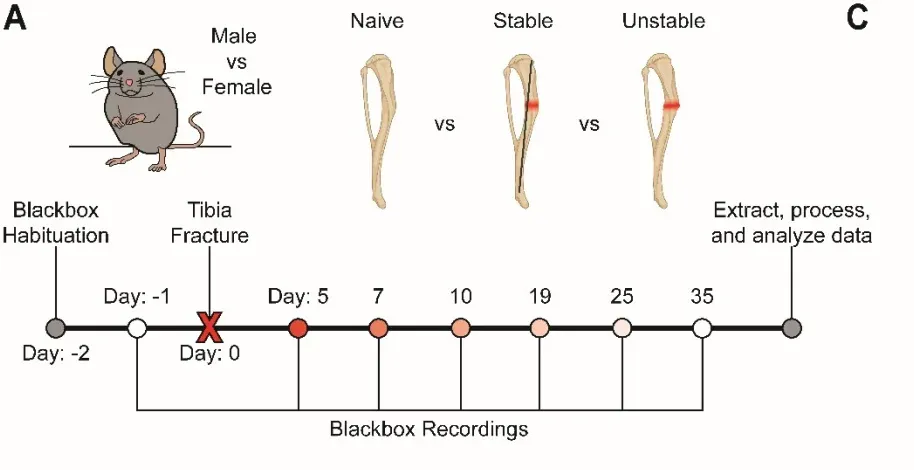
Deep Behavioral Phenotyping Tracks Functional Recovery Following Tibia Fracture in Mice

Steadman Philippon Research Institute (plus collaborating institutions)

bioRxiv •

This study demonstrates how deep behavioral phenotyping can objectively measure functional recovery following tibia fracture in mice. Using automated behavioral analysis, researchers identified subtle changes in movement and recovery that traditional assessment methods may overlook, providing a more comprehensive picture of fracture healing.

View publication : Deep Behavioral Phenotyping Tracks Functional Recovery Following Tibia Fracture in Mice
  • Behavior Analysis
  • Chronic Pain
  • Neural Circuits
  • +3

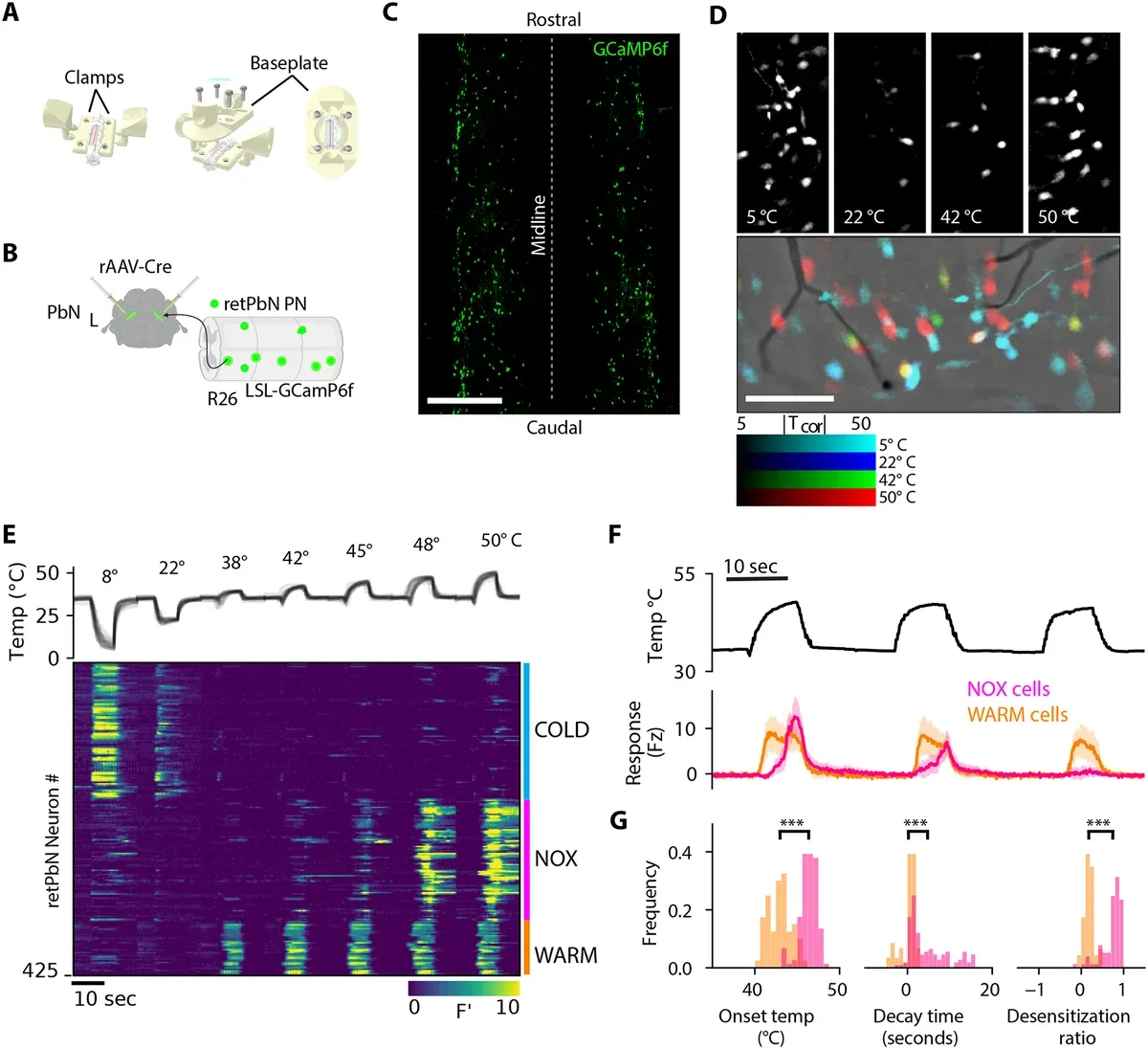
Differential Modification of Ascending Spinal Outputs in Acute and Chronic Pain States

F.M. Kirby Neurobiology Center, Boston Children's Hospital & Harvard Medical School

Neuron •

This study reveals how ascending spinal pathways are differentially modified during acute and chronic pain, providing new insight into how pain signals are processed and transmitted to the brain. The findings improve our understanding of pain neurobiology and support the development of more targeted therapeutic strategies.

View publication : Differential Modification of Ascending Spinal Outputs in Acute and Chronic Pain States
  • Behavior Analysis
  • Drug Discovery
  • Machine Learning
  • +3

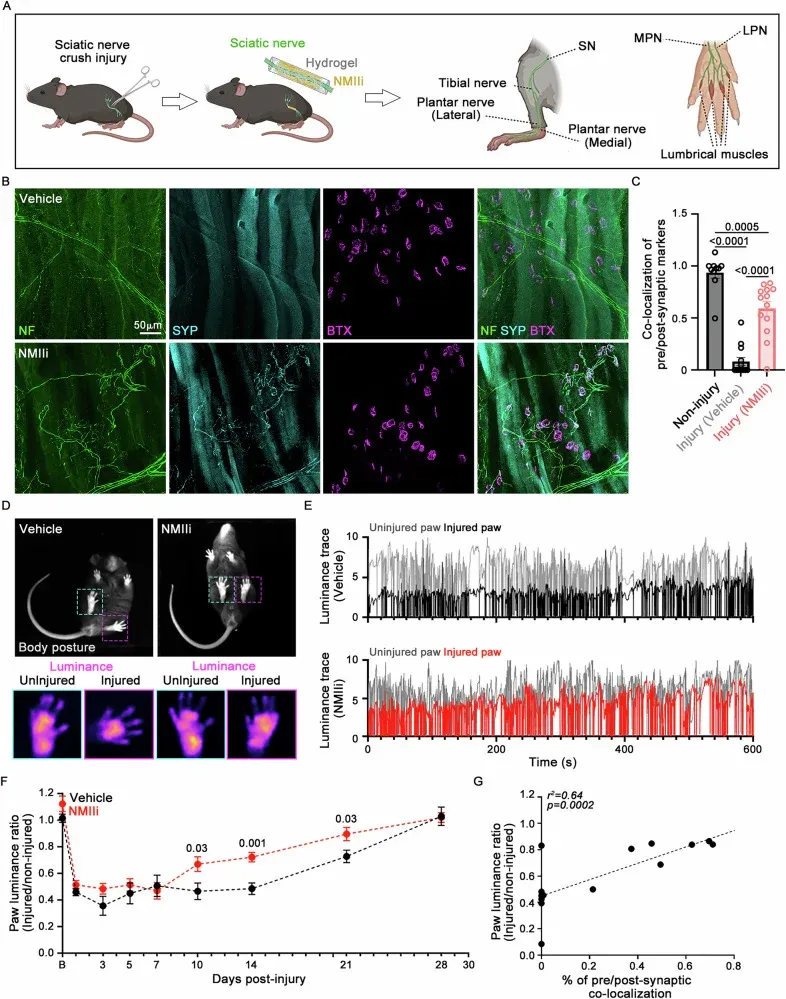
Non-muscle Myosin II Inhibition at the Site of Axon Injury Increases Axon Regeneration

Boston Children's Hospital & Harvard Medical School Collaborating with the University of California, Los Angeles (UCLA)

Nature Communications •

This study demonstrates that inhibiting non-muscle myosin II directly at the site of nerve injury significantly enhances axon regeneration. The findings provide new insight into mechanisms of neural repair and highlight the value of objective behavioral analysis for evaluating recovery following nervous system injury.

View publication : Non-muscle Myosin II Inhibition at the Site of Axon Injury Increases Axon Regeneration
  • Artificial Intelligence
  • Behavior Analysis
  • Machine Learning
  • +2

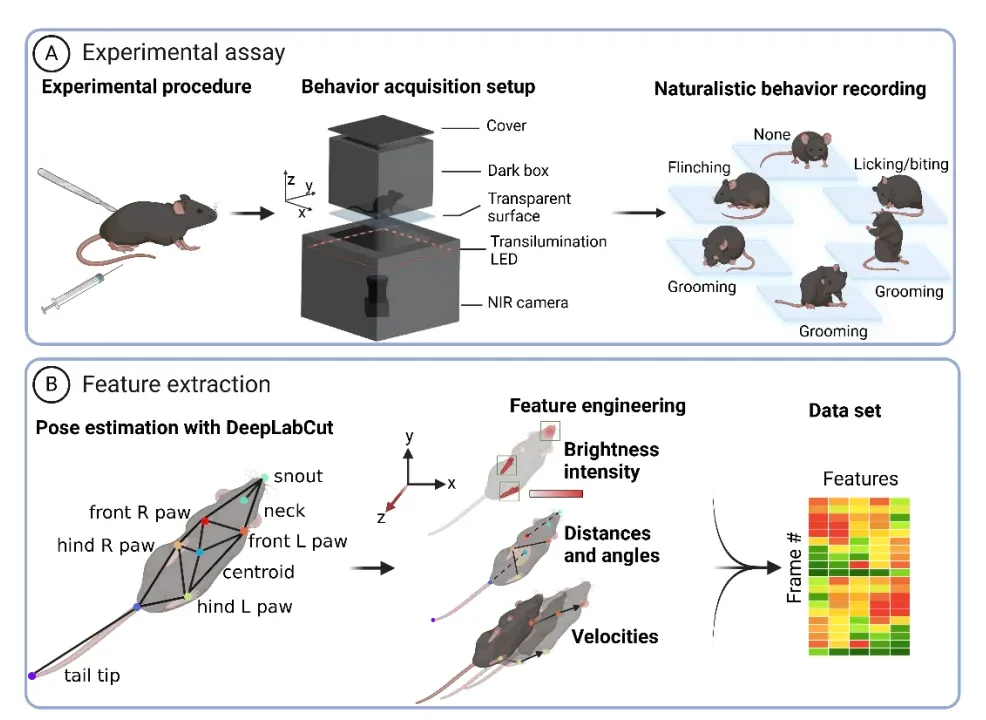
ARBEL: A Machine Learning Tool with Light-Based Image Analysis for Automatic Classification of 3D Pain Behaviors

F. M. Kirby Neurobiology Center, Boston Children's Hospital & Harvard Medical School

bioRxiv •

ARBEL is a machine learning platform that automatically classifies complex three-dimensional pain behaviors using light-based imaging and computer vision. By eliminating subjective manual scoring, the system enables rapid, objective, and reproducible behavioral assessment in preclinical pain research.

View publication : ARBEL: A Machine Learning Tool with Light-Based Image Analysis for Automatic Classification of 3D Pain Behaviors
  • Behavior Analysis
  • Machine Learning
  • Pain Research

Automated Preclinical Detection of Mechanical Pain Hypersensitivity and Analgesia

Boston Children's Hospital, F.M. Kirby Neurobiology Center & Harvard Medical School

PAIN (International Association for the Study of Pain) •

Researchers developed an automated machine learning platform capable of objectively detecting pain-related behaviors in freely moving rodents. The system accurately measured mechanical pain hypersensitivity and distinguished effective analgesia from sedation, demonstrating a powerful new approach for preclinical pain research.

View publication : Automated Preclinical Detection of Mechanical Pain Hypersensitivity and Analgesia

Interested in learning more?

We are transforming rodent behavior screening by partnering with researchers to deliver automated, high-throughput behavioral analysis that enables deeper insights and more reproducible results. Contact us to learn how Blackbox can support your lab.

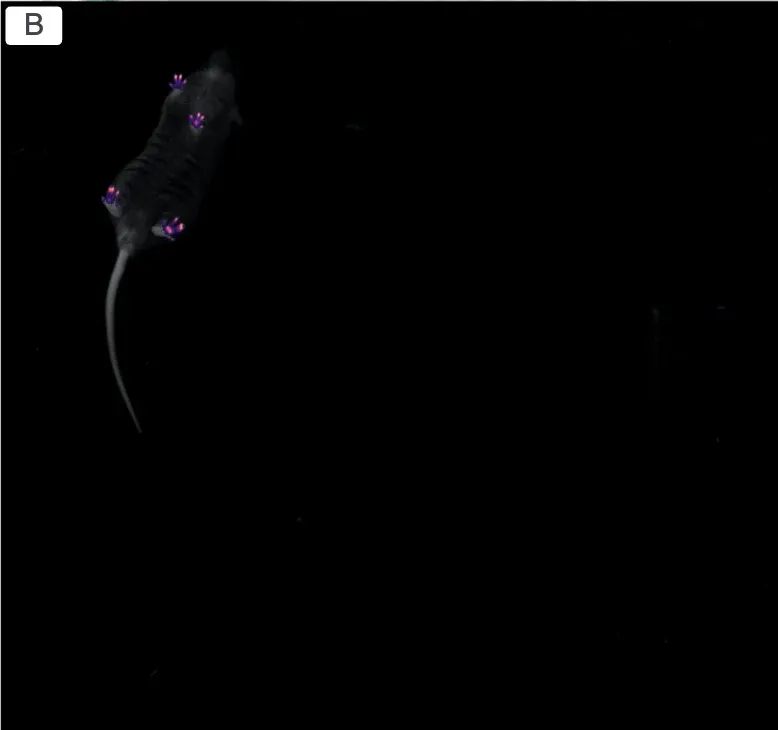
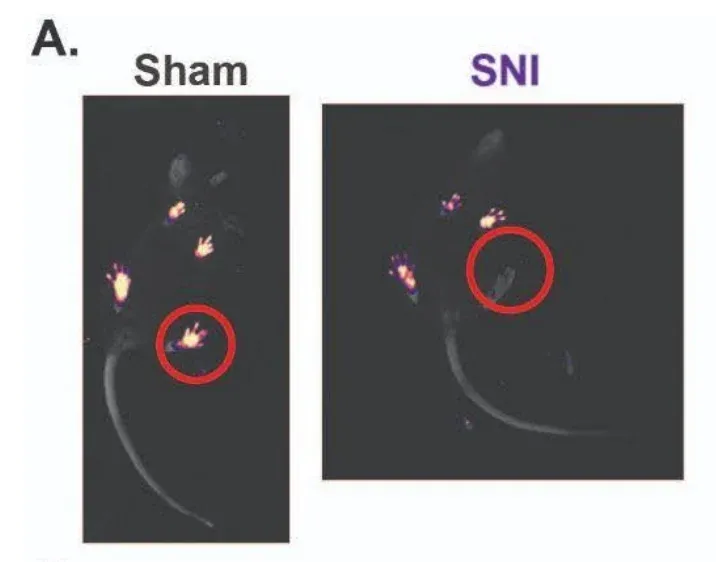
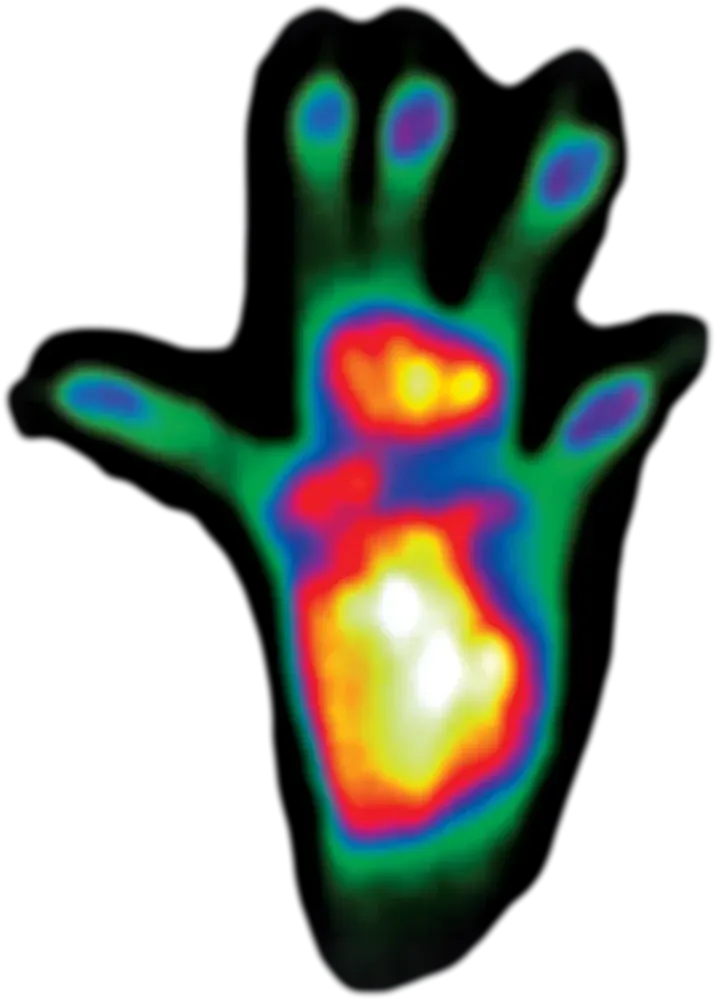
Heatmap of a mouse paw print showing weight distribution